The Pitfalls of Panopticon AI: Learning from COVID and Building Trust
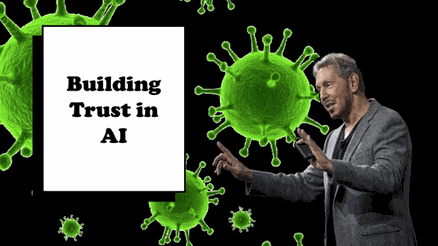
Redefining Boundaries in the Age of AI Surveillance
Larry Ellison's recent remarks (1) about omnipresent AI cameras enforcing proper behavior highlight a troubling vision of a society under constant surveillance. While AI holds immense potential to advance humanity, deploying it as an all-seeing eye threatens to erode the very freedoms that nurture innovation and personal growth.
The Panopticon: A Historical Lens on Modern Surveillance
The Panopticon, conceived by philosopher Jeremy Bentham in the 18th century, is a circular prison design that enables a single guard to observe all inmates without their knowledge of being watched. This uncertainty was intended to instill self-regulation among prisoners. Transposed to modern society through AI surveillance, this model raises profound ethical concerns:
-
Loss of Autonomy: Continuous monitoring can lead to self-censorship, stifling creativity and authentic expression.
-
Power Imbalance: Centralized surveillance consolidates power, making society vulnerable to abuse by those controlling the data.
-
Erosion of Trust: Knowing that every action is potentially recorded can undermine trust between citizens and institutions.
Lessons from the COVID-19 Pandemic
The rapid development of mRNA vaccines during COVID-19 was a testament to scientific ingenuity. However, the rollout also illuminated critical gaps:
-
Mistrust in Authorities: A significant portion of the population harbored doubts about vaccine safety, questioning the speed of development and approval processes.
-
Communication Breakdown: Lack of transparent, accessible information fueled skepticism and division.
-
Social Fragmentation: Misinformation thrived, highlighting the need for clear and honest dialogue between experts and the public.
These challenges underscore the importance of building trust through transparency—a lesson equally applicable to the deployment of AI technologies.
The Duality of AI: Surveillance vs. Empowerment
While the prospect of AI-enforced behavior may seem unnerving, AI's potential isn't inherently dystopian. It's a tool whose impact depends on its application:
-
Surveillance Risks:
-
Privacy Invasion: Ubiquitous cameras and data collection infringe on personal privacy rights.
-
Bias and Discrimination: AI systems can perpetuate existing social biases, leading to unfair targeting or profiling.
-
Authoritarian Abuse: Regimes could exploit surveillance to suppress dissent and control populations.
-
-
Transformative Potential:
-
Healthcare Innovations: Projects like Stargate (2) are showcasing AI's ability to personalize cancer treatments, improving patient outcomes.
-
Educational Advancements: AI can tailor learning experiences to individual needs, enhancing education accessibility.
-
Environmental Conservation: AI assists in monitoring ecosystems, aiding in the fight against climate change.
-
Navigating Ethical AI Development
The key to harnessing AI's benefits while mitigating risks lies in a principled approach:
-
Democratic Oversight: Policies governing AI should be shaped by inclusive public discourse and reflect societal values.
-
Transparency and Accountability:
-
Open Algorithms: Making AI algorithms transparent can help identify and correct biases.
-
Data Governance: Clear guidelines on data collection, usage, and storage protect individual rights.
-
-
Ethical Frameworks: Establishing universal ethical standards guides responsible AI deployment.
The Role of Tech Leaders and Corporations
Industry leaders like Larry Ellison bear a significant responsibility:
-
Engagement with Society: Actively participating in public conversations ensures that diverse perspectives shape AI technologies.
-
Corporate Social Responsibility: Companies must prioritize ethical considerations over profit-driven motives.
-
Collaboration with Regulators: Working alongside governments can help develop regulations that balance innovation with protection.
Envisioning a Future We Want to Inhabit
As AI continues to integrate into the fabric of society, we face pivotal questions:
-
What value do we place on privacy and freedom?
-
How can technology enhance, rather than dictate, our human experience?
-
In what ways can we prevent the concentration of power that AI surveillance could enable?
Conclusion: Building Trust Through Collective Action
The lessons from the COVID-19 pandemic highlight the consequences of sidelining public trust. To avoid an Orwellian future, we must:
-
Foster Open Dialogue: Encourage conversations between technologists, policymakers, and the public.
-
Educate and Inform: Promote AI literacy so individuals understand both the benefits and risks.
-
Champion Ethical Innovation: Support initiatives that use AI to empower and uplift, not surveil and control.
Your Voice Matters
What are your thoughts on the intersection of AI, surveillance, and personal freedom? How can we, as a society, ensure that AI development aligns with our collective ethical standards?
I invite you to share your perspectives and engage in this crucial conversation.
Original Article: Read on LinkedIn | Read on Substack