Agentic AI Swarms: Unleashing Collaborative Intelligence (Part 1)
Introduction
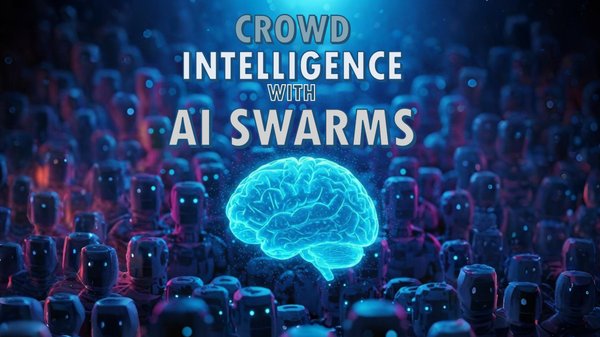
Imagine intelligent agents collaborating to solve complex problems like a supercharged ant colony. This is the essence of Agentic AI swarms. These systems revolutionise industries with decentralised decision-making, providing unmatched adaptability and efficiency. This article explores AI swarms' operations and their transformative applications across sectors.
Please stay tuned for Part 2, where we'll dive into the risks and ethical challenges these systems have faced.
How AI Swarms Operate
A Decentralized Approach : Swarms distribute decision-making across specialised agents unlike traditional AI systems with centralised control. This structure offers three key advantages:
Key Components
- Specialized AI Agents : Each agent focuses on specific tasks, such as data analysis, threat detection, or creative generation. For example, OpenAI's lightweight agents demonstrate how specialised models can collaborate effectively ( OpenAI Operators ).
- Orchestration Layer : This layer acts as the "traffic controller," coordinating communication and workflows between agents to ensure seamless collaboration.
- Security Layer : Robust zero-trust protocols safeguard the swarm against malicious interference ( Architecting Zero-Trust Systems ).
- Infrastructure Layer : Provides the computational power necessary for real-time processing and decision-making.
This distributed approach ensures that swarms adapt dynamically to changing conditions while maintaining high fault tolerance and efficiency.
Real-World Applications
Transforming Industries : AI swarms are already making waves across various sectors, optimising processes and unlocking new opportunities.
Transformative Applications Across Industries
Agentic AI swarms are already making waves across various sectors by optimising processes and unlocking new opportunities.
Cybersecurity Defense: Swarms are revolutionising cybersecurity with their ability to detect and neutralise threats dynamically:
- Threat Detection : Collaborative swarms autonomously identify cyber threats faster than traditional systems.
- Adversarial Simulations : Competitive swarm models simulate attacker-defender dynamics to stress-test defenses.
- Hybrid Approaches : Swarms collaborate to analyse threat data while competing to develop faster mitigation strategies.
Explore universal security protocols in Model Context Protocol: Securing AI Systems Against Cybercrime .
Supply Chain Optimization: Swarms predict disruptions like material shortages and autonomously reroute logistics, reducing downtime in global supply chains:
- For instance, a swarm of agents can react to real-time shipping delays by rerouting trucks or adjusting manufacturing schedules.
- Hybrid models allow agents to share logistics data while competing to optimise delivery routes for efficiency.
Creative Industries : Collaborative swarms are enabling new forms of creativity by generating innovative designs, code, and content:
- Agents brainstorm ideas collaboratively but compete to refine and present the most compelling versions. Learn more about creative coding in Your AI Coding Partner: Vibe Coding Part 2 🚀 .
Why This Matters
Agentic AI swarms aren’t just incremental improvements—they represent paradigm shifts in how industries operate:
- Scalability : Swarms handle tasks ranging from localized IT issues to global supply chain management with ease.
- Human-AI Synergy : These systems augment human teams rather than replacing them ( The Rise of Agentic AI Part 1 ).
Conclusion
Agentic AI swarms represent a transformative leap in artificial intelligence. Their decentralised architecture offers resilience, adaptability, and efficiency that can revolutionise industries ranging from cybersecurity to supply chain management and creative workflows. However, as we unlock their potential, we must remain mindful of their technical and ethical challenges.
Stay tuned for Part 2 , where we'll explore the risks associated with AI swarms, including security vulnerabilities and ethical dilemmas.
Share your thoughts below. 👇 Let's discuss how these innovations could shape the next decade!"
Further Reading
Original Article: Read on LinkedIn | Read on Substack