AI & The Future of Employment: How AI Is Transforming the World of Work (Part 1)
Introduction
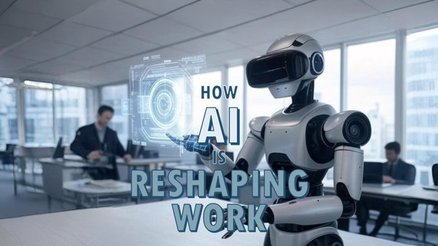
AI is transforming the workplace at a rate faster than any technology before. By 2030, it is expected that 170 million new jobs will be created, while 92 million roles will become redundant, according to the World Economic Forum's 2023 Future of Jobs Report. However, this isn't just a future scenario—AI is already transforming how we work, who we hire, and what skills are most valued.
The Big Shift: What's Changing Right Now?
AI is now at the heart of workplace transformation. It's not just about robots on factory floors—AI is automating repetitive, manual, and data-driven tasks in every sector:
-
Manufacturing: AI-powered robots streamline production lines, reducing errors and boosting efficiency.
-
Customer Service: Chatbots and virtual assistants handle basic inquiries, freeing up people for more complex issues.
-
Logistics and Retail: AI predicts demand, manages inventory, and optimises delivery routes.
-
Back Office and Bureaucracy: AI is slashing the time spent on compliance, paperwork, and risk assessments, with some firms reporting up to 90% fewer manual errors (Revolutionising Bureaucracy with AI).
But the changes go deeper. Many organisations are using AI to cut costs, sometimes by reducing headcount or deprioritising human expertise. According to The Hidden Perils of Cost-Cutting in AI, this rush for efficiency can erode institutional knowledge and create dangerous gaps in expertise. When companies lean too heavily on AI for savings, they risk losing the very foundation of their competitive advantage.
Real-World Impacts: What We're Seeing
-
Hybrid Workflows: The most successful companies are blending AI with human oversight. For example, AI might draft a report, but a human expert reviews and validates it before it goes out.
-
Knowledge Drain: During economic downturns, some firms freeze their training budgets and rely more heavily on AI, which can exacerbate the loss of critical skills and experience (The Hidden Perils of Cost-Cutting in AI).
-
Upskilling Gaps: McKinsey found that only 1% of companies have mature AI deployments, often due to underinvestment in upskilling their personnel.
-
Job Redesign: Roles are shifting. Clerical and administrative jobs are being automated, while demand grows for people who can manage, interpret, and improve AI systems (World Economic Forum, 2023).
Conclusion
The rise of AI is already reshaping every industry. While some roles are fading, many new opportunities are emerging for those who are ready to adapt. However, the lesson is clear: organisations that balance AI efficiency with human expertise will thrive. Understanding these changes is the first step to thriving in the age of AI.
Coming soon is Part 2: New Opportunities and Challenges in the Age of AI, where I'll explore how individuals, businesses, and governments can prepare for the AI future and ensure no one is left behind.
What changes are you seeing in your industry? Are you experiencing the benefits—or the hidden costs—of AI? Share your thoughts below!
Further Reading
Original Article: Read on LinkedIn | Read on Substack