Overcoming AI Image Limits: Experience for Comic Creator
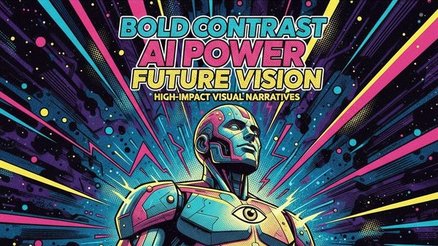
🚀 Mastering AI's "Flaws": Turn Constraints into Comic Innovation
Introduction
Sequential visual storytelling using generative AI often encounters strict constraints: fixed aspect ratios, compositional drift, and misplaced elements. Rather than fighting these model boundaries, creators can adapt their visual pipelines to incorporate them into unique panel aesthetics.
Technical Constraints in Generative Comics
AI image generation accelerates initial ideation, but sequential narrative demands strict continuity. Models like Gemini 2.5 Flash and Google Imagen 4 offer improved character consistency across sequential generations, though layout alignment remains a frequent friction point.
Compute efficiency also factors into production workflows: iterative re-prompting incurs latency and cost, making precise infilling and outfilling far more practical than regenerating full canvases.
Key Challenges and Model-Specific Workarounds
1. Aspect Ratio Constraints
Adapting Canvas Boundaries: Fixed aspect ratios can crop compositions unexpectedly, but can be adapted stylistically:
-
Imagen 4 Resolution Support: Imagen 4 supports native 2K resolution and flexible aspect ratios (16:9, 4:3). When working outside standard dimensions, creators can use Advanced Infilling capabilities to expand square generations into wide cinematic panels.
-
Gemini 2.5 Flash: Supporting widescreen aspect ratios up to 21:9, perspective distortions can be guided into dramatic low-angle narrative shots.
-
Midjourney Custom Aspect Ratios: Extreme aspect ratios in Midjourney can introduce high-frequency texture noise, which integrates naturally into stylized or graphic novel aesthetic palettes.
2. Composition and Element Placement
Iterative Composition: Generative models can misalign secondary objects in complex scenes. Using image-to-image workflows and ControlNet in Stable Diffusion enables precise pose and contour control while preserving consistent textural shading.
Structured Composition Workflows
The Infill/Outfill Framework: To maintain compositional control across sequential panels:
-
Establish Base Plate: Generate a high-resolution wide establishing shot.
-
Crop and Infill: Focus on localized character expressions or dialogue focal points using targeted inpainting.
-
Outfill for Environment: Expand canvas margins sequentially to preserve foreground character consistency without full canvas regeneration.
Implementation
React and "Vibe Coding": For developers, integrating these workflows into apps like Comic Book Creator involves moving toward Vibe Coding:
-
Natural Language UI: Build React components where users describe changes (e.g., "make the lighting more moody") rather than adjusting sliders.
-
Feedback Loops: Use Google AI Studio's Build Mode to create apps that learn from user "failures," turning rejected images into a style-guide for future generations.
Conclusion
AI's limits, ratios, placement, and artefacts are not flaws but features waiting to be harnessed. By hacking ratios and embracing machine serendipity, you can craft narratives richer than traditional methods allow.
💬 How are you turning technical "hurdles" into your signature artistic style? Share your insights below and ♻️ share this post with your creative network!
Further Reading
More from Me
Original Article: Read on LinkedIn | Read on Substack