Understanding CodeAct and MCP: A Guide for Professionals
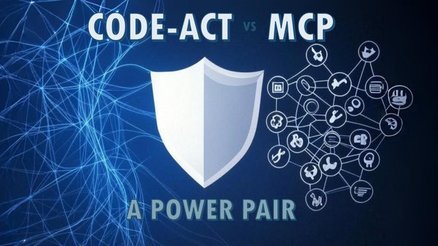
AI is no longer just a buzzword---it's a tool we're all learning to wield. But what happens when AI starts writing its own code or connecting to your company's tools? Let's talk about the risks and rewards.
Introduction
Artificial intelligence (AI) is transforming how we work, and tools like CodeAct and Model Context Protocol (MCP) are pushing the boundaries. These tools enable AI to write code and integrate with systems like Gmail or Slack, significantly enhancing its capabilities. However, this increased power introduces security risks that must be addressed. This guide explains these tools, their associated challenges, and how to use them safely.
What Are CodeAct and MCP?
CodeAct: AI as a Coder: CodeAct allows AI to generate and execute code on demand. For example, it can write code to scrape a website, saving time on repetitive tasks. However, buggy or risky code generated by the AI poses a significant risk. Curious about AI in coding? Check out Your AI Coding Partner: Vibe Coding Part 2 🚀.
MCP: AI's Universal Connector: Developed by Anthropic, MCP connects AI to existing tools such as Slack, Gmail, or custom databases. This integration provides AI with access to a wide range of functionalities but also creates potential vulnerabilities if security measures are inadequate. For more on this, see Model Context Protocol: Universal Adapter for Agentic AI🌐.
How Do They Work?
CodeAct's Process: CodeAct functions by assigning a task to the AI, which then writes and executes the code in a secure environment, delivering the results. Oversight is crucial to prevent errors. For a deeper dive into the tech, read Modern Web Architecture: Scalability and Performance.
MCP's Workflow: MCP operates by listing available tools, enabling the AI to select the appropriate one, perform the task, and compile the results. This seamless process requires robust security protocols. Learn more in OpenAI Operators: Get Your Website Ready.
The Risks
Risks of CodeAct: CodeAct can produce buggy code, create harmful scripts from bad prompts, expose sensitive data, and strain systems with inefficient code. These stay within the AI's sandbox, but vigilance is key. See Securing Your Web Apps in 2025 for more.
Risks of MCP: MCP is vulnerable to the introduction of rogue tools, unauthorized access leading to breaches, excessive AI control, and difficulty in tracking all AI actions. These can ripple across your systems. Check out Securing AI Systems Against Cybercrime.
CodeAct vs. MCP: A Quick Look
CodeAct: Risk: Bad code, Scope: AI's environment.
MCP: Risk: Bad connections, Scope: Your whole system.
For more on AI risks, see The Pitfalls of Panopticon AI.
Can They Team Up?
Yes, MCP can retrieve data for CodeAct to process, creating a powerful combination that necessitates stringent safety measures. More in Agentic AI Swarms: Part 1.
How to Stay Safe
For CodeAct: Implement sandboxing, review code, limit access, and closely monitor its actions. See Architecting Zero-Trust Systems.
For MCP: Vet tools, secure keys, minimize permissions, and log all activities. More in Ready Your Website for LLMs.
For Both: Understand the risks, train your team, and maintain regular updates. Check out Taming Technical Debt.
Why This Matters
These tools are transformative, but understanding their risks is essential for their safe and effective use. Want more on AI's future? Read Super Intelligence: Part 4.
Conclusion
CodeAct and MCP offer significant benefits, but they are not without risks. CodeAct's risks are code-related, while MCP's are connection-related. Employing precautions like sandboxing and rigorous vetting can mitigate these risks.
💬 How do you see AI fitting into your work? Drop your thoughts below! ♻️ share with your network! 🚀
Further Reading
Original Article: Read on LinkedIn | Read on Substack